 PRAGMATIC PLAY


Up to 1500 euro Welcome Bonus!
$31 Free Chip
Gold idols, jaguar gods, stepped pyramids cut into jungle canopy — the Aztec theme is one of the most worked-over settings in slot design, and the best Aztec theme slots use that imagery to wrap genuinely modern maths. The category has been a developer favourite for two decades because the visual cues are universal: ancient civilization, hidden treasure, the implied promise of a payoff buried somewhere in the reels. In 2026 you’ll find Aztec themes on cluster-pay grids, Megaways engines, and tumble mechanics with multipliers that climb past x500.
This guide covers the Aztec slots actually worth playing right now, the symbols and mechanics that define the category, and how to pick a title that matches the way you play.
PRAGMATIC PLAY
 PRAGMATIC PLAY
 PRAGMATIC PLAY
 ONLYPLAY
 BGAMING
 ISOFTBET
 MICROGAMING
 PLAY'N GO
 PLAY'N GO
 CT
CT
 BF
BF
 BGAMING
Slot themes live or die on instant readability. The Aztec setting passes that test in about half a second — pyramids, gold masks, feathered serpents, jungle. You don’t need a backstory or a tutorial. The whole genre signals “lost treasure” before the first reel spins, and that priming does a lot of the heavy lifting for the developer.
There’s also a practical reason providers return to it: the iconography pairs naturally with bonus mechanics. Sun stones become wilds, calendar discs turn into scatter symbols, golden idols slot in as high-paying picture symbols, and temple chambers map cleanly onto pick-bonus rounds. Compare that to a generic “fruit” or “gemstone” theme and there’s a lot more room for narrative-driven features.
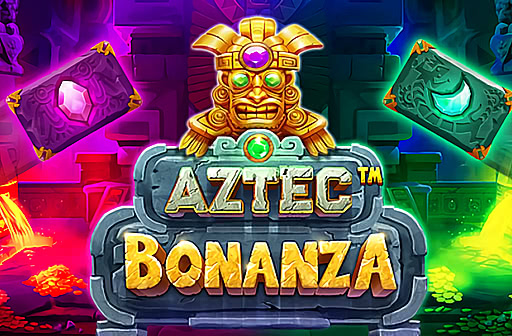
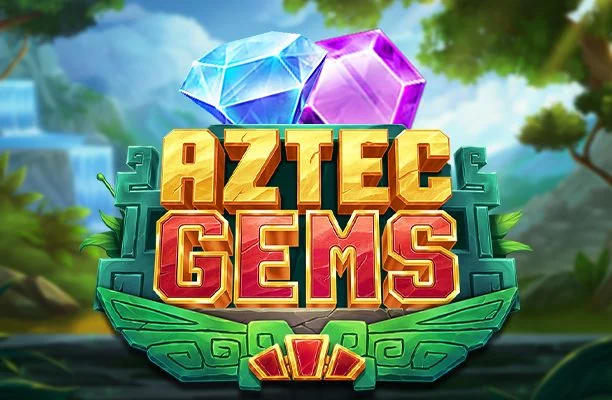
The other factor is staying power. Pragmatic Play’s Aztec Gems launched in 2018 and is still a top-50 slot at most operators. Aztec Bonanza, Aztec Magic Bonanza, Aztec Gold Megaways, and Almighty Aztec all continue to draw daily traffic at major casinos. When players keep returning to a theme, providers keep building on it.
Most Aztec slots pull from a shared visual vocabulary, and once you can read it the paytables become almost predictable. Here’s what you’ll keep seeing across the category and what each symbol typically does.
The carved disc most people picture when they hear “Aztec calendar.” In slots it’s almost always the wild or the scatter — high-payout, often the symbol that triggers free spins. Aztec Bonanza, Aztec Magic Bonanza, and Almighty Aztec all use a variation of this design.
The two elite warrior orders of the Aztec military. On reels they show up as mid-to-high paying picture symbols, often animated with a quick combat sequence on a winning line.
The most recognisable god in the pantheon and a frequent top-paying symbol or bonus trigger. Some slots build their entire bonus round around the serpent — expanding wilds, snake-trail features, that sort of thing.
The treasure payoff. Usually the highest-value standard symbol. Land five on a payline and you’re typically looking at the biggest non-bonus win the base game offers.
Less often paying symbols, more often the visual scaffolding — backgrounds, bonus-round transitions, the “you’ve unlocked the temple” moment when free spins trigger.
Most casino lobbies and even some review sites lump these three together. They’re not the same, and if you’ve got a preference for one civilization’s aesthetic the distinction matters.
Aztec slots draw on the central Mexican empire that peaked in the 14th-16th centuries — sun stones, Quetzalcoatl, eagle and jaguar warriors, Tenochtitlán’s stepped pyramids. Mayan slots reach back further, to the Yucatán peninsula and Guatemala, with a different architectural style (pyramids with steeper sides, more dense glyph work) and a heavier emphasis on astronomy and the long-count calendar. Incan slots come from the Andean cultures of Peru — llamas, mountain temples, gold sun discs, and a colder colour palette to reflect the highland setting.
In practice, providers often blur the lines or fuse motifs together — you’ll see “Aztec” titles with clearly Mayan glyphs, or “Inca” slots with Aztec sun stones. If the visual specifics matter to you, check screenshots before you spin. If you just want the broader “ancient civilization treasure hunt” feel, all three categories scratch the same itch.
Eight Aztec slots that hold up in 2026. RTP and max-win values reflect the standard configuration most operators deploy — a handful of casinos run lower-RTP versions of the same titles, so always check the in-game info panel before staking real money.
| Slot Title | Provider | RTP | Volatility | Max Win |
| Aztec Bonanza | Pragmatic Play | 96.54% | High | 10,000x |
| Aztec Gems | Pragmatic Play | 96.52% | Medium | 375x |
| Aztec Magic Bonanza | BGaming | 96.00% | High | 21,175x |
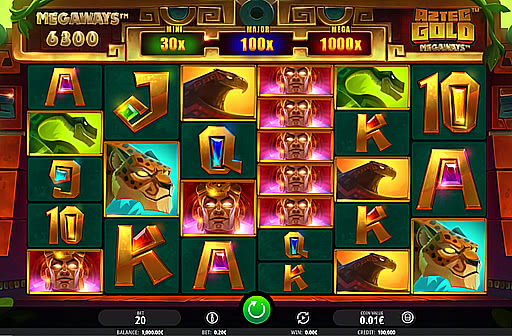
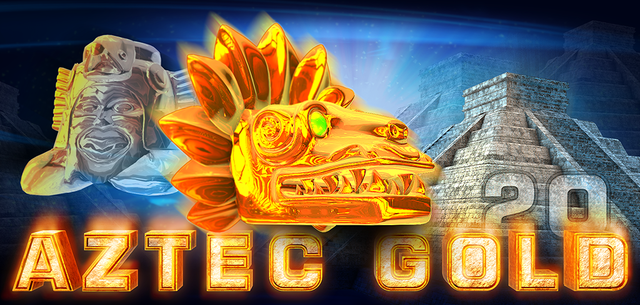
| Aztec Gold Megaways | iSoftBet | 96.00% | High | 10,000x |
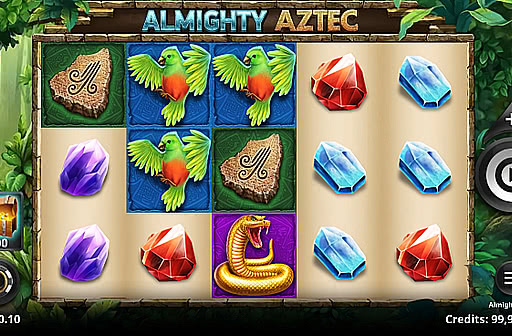
| Almighty Aztec | Microgaming | 96.30% | Medium-High | 3,750x |
| Aztec Warrior Princess | Play’n GO | 96.50% | Medium | 2,500x |
| Aztec Idols | Play’n GO | 96.40% | Medium | 1,000x |
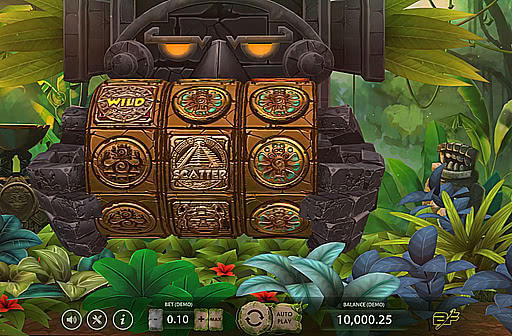
| Temple of Clusters | Hacksaw Gaming | 96.27% | High | 15,000x |
Aztec Magic Bonanza’s 21,175x ceiling is the headline number in the category — it comes from BGaming’s tumble mechanic stacking with a free-spins multiplier that has no upper cap. Aztec Gems sits at the opposite end on max win (375x) but balances that with the lowest variance on the list, which is exactly the trade-off it’s built for.
The Aztec theme has been running long enough that pretty much every slot mechanic has been tried with it. Here’s what the modern category actually plays like under the visual layer.
The dominant mechanic in modern Aztec releases. Winning symbols vanish, new symbols drop in to fill the gaps, and another payout can land on the same spin. Aztec Bonanza and Aztec Magic Bonanza both use this pattern, and it’s why their max wins climb so high — long tumble chains stack with rising multipliers.
Aztec Gold Megaways from iSoftBet is the cleanest example — the Big Time Gaming-licensed Megaways engine generates up to 117,649 ways to win on each spin, paired with cascading reels in the bonus round. High volatility, high ceiling, classic Aztec dressing.
Hacksaw’s Temple of Clusters skips paylines entirely. Match five or more of the same symbol touching horizontally or vertically and they pay out, then cascade. It’s a faster-feeling format and works particularly well with the dense symbol art Aztec slots tend to use.
A fixture of the BGaming and Pragmatic catalog. Trigger the bonus, lock special symbols in place, and try to fill the grid. Aztec-themed hold-and-win games usually use gold coin or sun-stone tokens as the lockable symbol.
Where regulation allows, many modern Aztec slots offer a buy-feature option that purchases direct entry into the free spins round for a multiple of your stake (typically 75x-100x). Worth knowing about, worth treating with caution — bonus buys are high-variance by design.
Two numbers tell you more about an Aztec slot than any screenshot: RTP and volatility. RTP (Return to Player) is the long-run average — a slot running at 96.5% returns, on average, $96.50 for every $100 wagered across millions of spins. It’s a pool figure, not a session guarantee. You can hit max win on spin one or go cold for hours on a 97% RTP title.
Most credible Aztec slots cluster between 95.5% and 96.5%. If you see one advertised below 94%, that’s a flag — either the operator has loaded a low-RTP variant or the game itself is built for lobbies that don’t care about player return.
Volatility is the rhythm of payouts. High-volatility Aztec slots like Aztec Magic Bonanza and Aztec Gold Megaways pay rarely but big — long dry spells punctuated by occasional 500x+ hits. Low-to-medium volatility titles like Aztec Gems and Aztec Idols pay smaller wins more often, which is what you want if you’re stretching a $20 deposit across an evening rather than chasing a single big outcome.
The right Aztec slot depends on how you play, not which one has the biggest max-win number on the marketing sheet. Three common profiles:
Start with Aztec Gems or Aztec Idols. Five reels, simple paytables, medium volatility, no complicated bonus maps. You’ll learn how wilds and scatters work without getting lost in cascades or buy-features. Both titles play comfortably at low stakes and won’t punish you for slow play.
Aztec Bonanza and Almighty Aztec hit the sweet spot. Tumble mechanics keep the action lively, free spins rounds trigger often enough to feel reachable, and the math allows for a 200x-1,000x outcome inside a normal session without requiring you to chase the absolute ceiling.
Aztec Magic Bonanza, Aztec Gold Megaways, and Temple of Clusters are built around a single big outcome — usually inside the free spins bonus where multipliers can stack. Bet small relative to your bankroll, expect long losing stretches, and accept that the maths only pays off if you can ride out the variance.
Aztec slots aren’t where you find the 100,000x monsters that show up in horror or mining themes — but the category has its own ceiling, and it’s higher than most players assume.
Aztec Magic Bonanza leads at 21,175x, thanks to BGaming’s uncapped multiplier in the free spins round. Temple of Clusters follows at 15,000x — Hacksaw built the whole game around that single feature outcome. Aztec Bonanza and Aztec Gold Megaways both top out at 10,000x, and Almighty Aztec sits at 3,750x. These are ceilings, not expectations. Most sessions on any of these titles end well below the cap, and the top-end outcomes typically require hitting the bonus round with a stack of multipliers chained on top.
Almost every modern Aztec slot is built mobile-first. Pragmatic Play’s Aztec Bonanza and Aztec Gems, BGaming’s Aztec Magic Bonanza, and Hacksaw’s Temple of Clusters all run smoothly in portrait mode with touch-friendly bet controls and no UI elements that get clipped on smaller screens. The dense symbol art that defines the category does sometimes feel cramped on a 5.5-inch display — if that bothers you, the cluster-pay and Megaways titles tend to scale better than the busier 5-reel layouts.
 EXCLUSIVE BONUS

 99/100
 RTP: 96%
 Payout: 1–3 days
 Games: 200+
 95/100
RTP: 92.15%
Payout: 1 to 5 business days
Games: 4,000+
95/100
RTP: 92.15%
Payout: 1 to 5 business days
Games: 4,000+
 95/100
RTP: 96.3%
Payout: 1 to 24 hours
Games: 500+
95/100
RTP: 96.3%
Payout: 1 to 24 hours
Games: 500+
 98/100
 TOP
TOP
 98/100
RTP: 98%
Payout: 1–3 days
Games: 500+
98/100
RTP: 98%
Payout: 1–3 days
Games: 500+
 96/100
 NEW
NEW
 97/100
RTP: 96%
Payout: 1–3 days
Games: 200+
97/100
RTP: 96%
Payout: 1–3 days
Games: 200+
 96/100
 95/100
RTP: 97%
Payout: 0–3 days
Games: 400+
EXCLUSIVE BONUS
TOP
95/100
RTP: 97%
Payout: 0–3 days
Games: 400+
EXCLUSIVE BONUS
TOP
 97/100
RTP: 99%
Payout: 0–1 days
Games: 2000+
97/100
RTP: 99%
Payout: 0–1 days
Games: 2000+

Filip Gromovic is a senior slots reviewer here at FreeSlots99 with over five years of experience evaluating the latest drops in the world of iGaming.
Being a slot fan himself, Filip approaches slot ratings just the way we like it – professionally, but also from a player’s standpoint.
That enables him to give his unbiased take on the slot’s features, gameplay and design, while only recommending top-tier releases to our readers.
More info on Filip Gromovic



Having served FreeSlots99 for more than 5 years as a senior content editor and reviewer, Nashon Khamala has extensive knowledge in game slots and iGaming.
His membership in the Editorial Freelancers Association helps him deliver content that reaches both editorial excellence standards and an engaging information level.
By using his expertise in slots games combined with player-focused analysis, Nashon delivers a professional evaluation of slot features and player experiences in his reviews.
More info on Nashon Khamala


Get up to $2500 Welcome bonus!